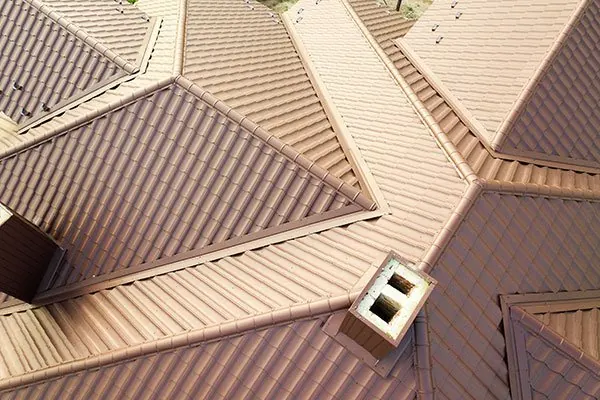
Why colour matters more in Perth than you might think
Perth gets long, dry summers with strong UV and plenty of days above 35°C. Your roof takes the full brunt of that sun for months at a time, so the colour you pick is not only a style decision. It changes how much heat soaks into the roof space, how hard your air-conditioner works, and how the roof looks after a few summers of dust and sea breeze.
COLORBOND steel by BlueScope comes in a wide palette, and lighter colours in the range use Thermatech solar-reflectance technology to bounce back more of the sun's energy. Darker colours still benefit, but physics wins: a dark surface absorbs more heat than a pale one.
This guide walks through the trade-offs so you can pick a colour you will still be happy with in fifteen summers.
How roof colour changes the temperature of your home
On a hot afternoon, the sheet itself heats up and radiates warmth into the roof space. From there it reaches the ceiling and the rooms underneath. A lighter roof reflects more of the incoming sunlight, so less of that heat builds up in the first place.
In practice, a pale roof can make the roof space noticeably cooler on a summer day than a dark one. How much difference you feel indoors depends on everything underneath:
- Sarking or reflective foil under the sheets blocks a lot of radiant heat.
- A roof blanket under steel helps with heat, rain noise and condensation.
- Ceiling batts slow heat moving from the roof space into living areas.
- Roof-space ventilation such as whirlybirds, ridge vents or eave vents lets hot air escape.
If your insulation is thin or the roof space has no airflow, colour has a bigger effect. If you are replacing the roof anyway, it is the ideal time to upgrade what sits beneath it. Our guide to roof underlayment and insulation covers the options in more depth.
Light, mid-tone and dark: the trade-offs
| Colour group | Summer heat | Shows dirt | Typical look |
|---|---|---|---|
| Whites and off-whites | Least heat gain | Shows dust, leaf stains and rust marks from debris | Coastal, crisp, modern |
| Pale and mid greys | Moderate | Hides dust reasonably well | Neutral, suits brick and render |
| Earthy browns and greens | Moderate to high | Hides dust well | Traditional, blends with trees |
| Charcoal and near-black | Highest heat gain | Shows salt and pale dust | Bold, contemporary |
Light colours
Off-whites and very pale greys reflect the most sunlight. They make sense on low-pitch skillion roofs, which are common on newer Perth builds and are often hard to insulate well. The downside is glare. On a high-set or two-storey home, a white roof can reflect a lot of light into a neighbour's windows, and some local governments and estates have rules about reflective finishes.
Mid-tones
Light-to-mid greys are popular across Perth for good reason. They reflect a fair share of heat, hide the fine red dust that settles after easterly winds, and sit comfortably next to face brick, render and timber. If you are unsure, this group is the safest starting point.
Dark colours
Charcoal and near-black roofs have a strong architectural look and suit many modern designs. They will run hotter, and they can show white salt bloom and pale dust. If you choose one, budget for better insulation and ventilation at the same time. Matching gutters, fascias and downpipes in a contrasting lighter shade can soften the overall effect.
Things to check before you choose
Your distance from the coast
Homes close to the ocean deal with salt-laden air carried in on the afternoon sea breeze. That affects the roof regardless of colour. BlueScope publishes guidance on which steel products suit different environments, including severe marine sites near breaking surf. Ask your roofer which grade they recommend for your exact location, and make sure fixings and flashings are compatible too. A coastal roof is only as durable as its weakest screw.
Bushfire-prone areas
If you live in the Perth Hills or another area mapped as bushfire-prone by DFES, new roofing work may need to meet a Bushfire Attack Level (BAL) under AS 3959. Colour is not usually the issue, but the roofing system, sarking and gap sealing can be. Check with your local government before choosing materials.
Estate rules, strata and heritage
Many newer estates around Perth have design guidelines, and some limit roof colours or reflectivity. Strata properties may need approval before you change the look of the building. Older homes in heritage areas can face restrictions too. If your roof form or materials are changing as well as the colour, read does my roof need a building permit in WA before booking work.
The rest of the house
Look at the bricks, render, window frames, garage door and fencing. A roof is a large block of colour seen from the street, and it tends to look best when it either picks up a tone from the walls or contrasts deliberately with them. Gutters, fascia and downpipes can match the roof or be used as a trim colour.
Seeing colours properly before you commit
Small swatches on a screen or brochure are unreliable. Colour on a large roof in bright Perth light usually looks lighter than the sample in your hand. A few habits help:
- Ask your roofer for physical samples and view them outside, at different times of day.
- Hold samples against the wall colour and the gutters you plan to use.
- Drive past nearby homes with the colours you are considering. Seeing a whole roof is far more useful than a chip.
- If you are replacing tiles with steel, remember the profile changes the look as well as the colour.
Keeping the colour looking fresh
COLORBOND steel does not need painting, but it does like a rinse. Rain does much of the work in winter, but areas under eaves, behind parapets and beneath overhanging trees miss out. Hosing these down occasionally, especially near the coast, helps remove salt and grime that can shorten the life of the finish.
Keep gutters and valleys clear of leaves, which hold moisture against the steel. Do not let copper pipes, old lead flashings or offcuts drain onto steel or Zincalume, as that can cause corrosion. Avoid abrasive cleaners and harsh chemicals. Our seasonal roof maintenance tips explain what to check each season.
Switching from tiles to steel
Plenty of Perth owners with tired concrete tile roofs move to COLORBOND steel during a re-roof. It is much lighter, it can be laid at lower pitches, and it gives you a fresh choice of colour. It also changes how rain sounds, which is why a roof blanket is usually recommended. If you are weighing it up, the comparison in COLORBOND vs tile roofing is a good next read, and our COLORBOND roofing service page explains how we arrange quotes.
Getting advice for your roof
The best colour is the one that suits your street, your roof shape and how hot your home runs in summer. If you would like a local roofer to look at your roof, talk through colours and grades, and quote the work, request a free on-site quote and we will put you in touch with a contractor near you.